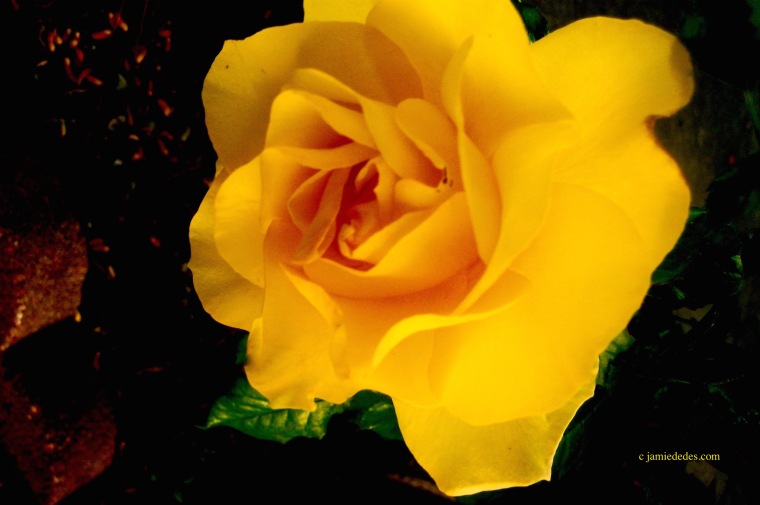
they line the pebbled walkway like so many faithful, meditating
along the El Camino, earnest little faces catching the sunlight
or tossing Gregorian chant into the weather when it rains
their bright colors and blessed incense bare witness to the sacred,
soften the brittle longitudes and aching latitudes of the heart
2015, Kevin Young at Library of Congress National Book Festival September 5, 2015 Washington, DC, by fourandsixty, CC BY SA 2.0
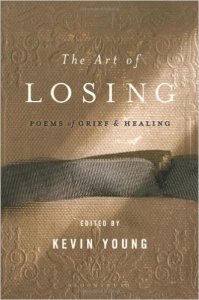
The recommended read for this week is The Art of Losing by Kevin Young. I find this to be an extraordinarily beautiful anthology about grief and recommend it for all those who work with living and dying, clergy of all faiths, hospice workers, physicians and nurses as well as those grieving a lost family member or friend. It was conceived and edited by Kevin Young, a poet in his own right and the editor of four poetry anthologies. His book Jelly Roll: A Blueswas a finalist for both the National Book Award and the Los Angeles Times Book Prize. It won the Paterson Poetry Prize.
By shopping at Amazon through The Word Play Shopor through links in the body of a post, you help to support the maintenance of this site. Thank you!
The WordPlay Shop offers books and other tools especially selected for poets and writers.
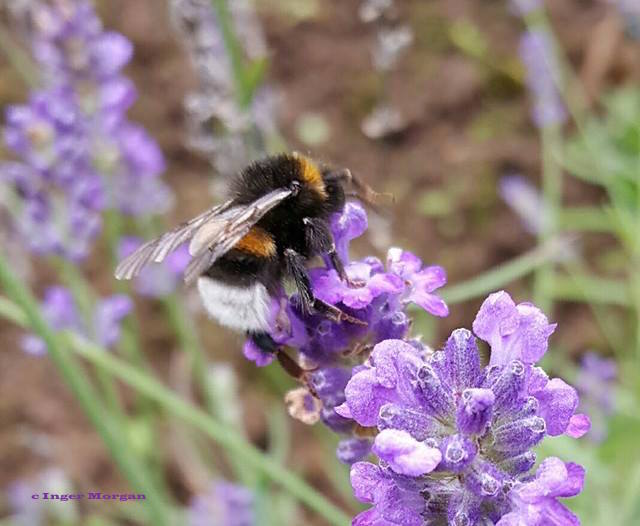
i planted seeds of lavender,
tiny things in the palm of my hand,
then the black soil and water,
patience . . . . and waiting
for the first signs of life,
the need for care and love
’til the splendor of blue,
the comforting fragrance,
a gift for the bumblebees and me
INGER MORGAN lives in Trollhättan,Sweden. She’s a retired nurse who says she’s always written “small pieces” but never shared anything until – much to my delight – she shared a poem with us on Facebook. Inger’s first published poem was about grief and guilt and it was featured in the November issue of The BeZine. It looks like Inger has birthed a new interest, if not a new career, at 74 years-of-age.
When Inger and I talked about the December issue – due out tomorrow – with the theme: The Healing Power of the Arts, Inger said frankly her healing comes from nature. Okay! Fair enough. I know that’s true because she takes wonderful photographs on her property and of the adjacent woods with its wild trees, tumbling brooks, gray stone and green mosses. Just from the photographs, I feel I almost know her place, the care of which is the inspiration for the splendor of blue.
So the question is: Where do YOU find healing? Nature. Poetry. Art. The ocean or the sky. Tell us about it in poem or prose. If you’d like to share what you’ve written, please leave it – or the link to it – in the comments sections below.
“Only in art will the lion lie down with the lamb, and the rose grow without the thorn.” Martin Amis
if my voice was an angel voice
i’d sing you into ecstasy
if my hand was a healing hand
i’d touch you into grace
would that i could measure poems
to turn tears into light
to put dance in your feet
if i knew my own soul, i could
touch the tarnished silver of yours
and bring your smiles back again
I love the line of Flaubert about observing things very intensely. I think our duty as writers begins not with our own feelings, but with the powers of observing.
AWARDS: Mary Oliver’s fourth book, American Primitive, won the Pulitzer Prize for Poetry in 1984. She received the Shelley Memorial Award; a Guggenheim Fellowship; an American Academy and Institute of Arts and Letters Achievement Award; the Christopher Award and the L.L. Winship/PEN New England Award for House of Light; the National Book Award for New and Selected Poems; a Lannan Foundation Literary Award; and the New England Booksellers Association Award for Literary Excellence.
When it’s over, I want to say: all my life I was a bride married to amazement. I was the bridegroom, taking the world into my arms.
How often we turn to certain poets for certain healing, to those greater “technicians of the sacred” (to borrow from Jerome Rothenberg): Jane Hirchfield for her gentle Buddhist sensibility, John O’Donohue for his lilting Celtic reflections, W.S. Merwin and his deep ecology. Not the least among the greater technicians is Mary Oliver. Our hunger for spiritual healing is underscored by her popularity. The New York Times declared her the best-selling poet. Poet, activist and critic Alicia Ostriker writes of Oliver that she is as “visionary as Emerson.” Where there is criticism, it tends to be among feminists and others who feel she idealizes the feminine connection with nature.
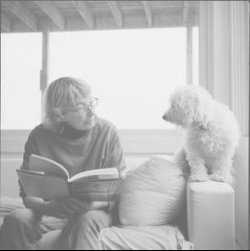
Mary Oliver’s work is deeply rooted in nature and a sense of place, the Ohio of her childhood and the New England of her adult life. More recently Florida, where she moved to be with friends after her partner of forty years died.
Influenced by Thoreau and Whitman, she’s a keen observer. She has said that she found healing in nature and the greater beauty of the world. Nature was her refuge through a difficult childhood and from an abusive father. She writes about her experience of her father in Rage from Dream Work (the Atlantic Monthly Press, 1989).
Rage
You are the dark song
of the morning…
But you were also the red song
in the night..
When the child’s mother smiles
you see on her cheekbones
a truth you will never confess
and you see how the child grows
timidly, crouching in corners…
In your dreams she’s a tree that will never come to leaf..
in your dreams you have sullied and murdered
and dreams do not lie.
However dark Rage might be, Oliver’s poems are more often filled with light and encouragement. Journey is one such:
You strode deeper and deeper
into the world,
determined to do
the only thing you could do,
determined to save
the only life you could save.
excerpt from The Journey, in Dream Work
… and Wild Geese
You do not have to be good.
You do not have to walk on your knees
for a hundred miles through the desert, repenting.
You only have to let the soft animal of your body
love what it loves. […]
The world offers itself to your imagination,
calls to you like the wild geese, harsh and exciting-
over and over announcing your place
in the family of things.
excerpt from Wild Geese in Dream Work
When we want to breathe the clear air of nature and the best of the human spirit, we turn to Mary Oliver and the singular meditative grace of her poetry.
 they line the pebbled walkway like so many faithful, meditating
 By shopping at Amazon through The Word Play Shop or through links in the body of a post, you help to support the maintenance of this site. Thank you!



 Mary Oliver’s work is deeply rooted in nature and a sense of place, the Ohio of her childhood and the New England of her adult life. More recently Florida, where she moved to be with friends after her partner of forty years died.
 Jamie Dedes' THE POET BY DAY Webzine