mountains rise round, Mother’s ever pregnant belly
and the aspens dance with paper-barked madrone
screeching their yellows and reds, brindle and feral
like the snaked hairs of Medusa, they are warning
looming over me as I lay miles away on a mesa
the bones of my ancestors, the heart of my child
the pelts of the brown minks my father sewed
the vultures circle, mesmerized by my demise
I feed on the pinion and ride mountain lions
down slopes, into valleys, a wanderer, lost and lost
looking eastward, seeking John Chapman he has something to say, or maybe it’s westward
John Muir, my ears are deaf, my eyes hear a song
emerging from brown bear, a surfeit of salmon
burning sage, clearing America, the wild beasts
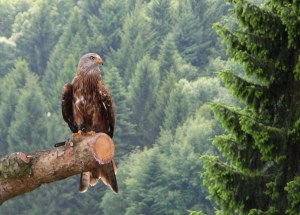
are defanged and declawed and I am hawk-eyed
Climate change is on our minds these days – perhaps more than in the past given the regime – and we are feeling one with Mother Earth and all her creatures and gratitude for the people who marched on Saturday. What pictures come to mind when you think of our home? How do they make you feel or respond? Tell us in prose or poem. If you feel comfortable, leave a link to your work in the comments section below or leave the entire piece if it’s short enough. I’ll post all responses on this site next Tuesday.
LESSON TWELVE: MAKE EYE CONTACT AND SMALL TALK “This is not just being polite. This is part of being a citizen and a responsible member of society. It is also a way to stay in touch with your surroundings, break down social barriers and understand whom you should and should not trust. If we enter a culture of denunciation, you will want to know the psychological landscape of your daily life.” Prof. Snyder, On Tyranny, Twenty Lessons from the Twentieth Century
Go to art, not war.
Poem on …
Thank you for sharing your love of words. Comments will appear after moderation.
the mindful peace of the cypress beckons,
she bows in the wind but doesn’t fracture,
she knows well the moments, but nothing of time
her poetry is written in presence, not words
in this business of life, of death and of poetry
yesterday is, i think, best forgotten ~
just a figment, after all, an old locked-room mystery,
stored among a million neurons, a trillion constellations,
sound proof, but for the occasional cerebral accident
with its quick crack of a gunshot fading into a yellow eye,
evaluating with a understandable skepticism
life, as it turns out, is a matter of imagination, or folly, nurturing the seesaw of grief and joy,
the contrapuntal pulls of yin and yang
we can reframe, but we can’t rewrite there are no encores
this business of life, of death and of poetry is what it is
and the past is not a salve nor the future a savior,
the same sun that warms words poemed into life
will dry our skin to leather and weld it to bone ~
moss, says Emily, will cover up our names
it’s best then, i think, to mimic the cypress
to let go the days, the clutter and the noise,
to bow from the winds but not shatter,
to know well the moments, but nothing of time
LESSON EIGHT: Stand Out. “Someone has to. It is esy to follow along It can feel strange to do or say something different. But wihtout that unease, there is no freedom. Remembr Rosa Parks. The moment you set an example, the spell o the status quo is broke, and others will follow.” Prof. Snyder, On Tyranny, Twenty Lessons from the Twentieth Century
Thank you for sharing your love of words. Comments will appear after moderation.
Your heart is smarter, my Baruch,
then your head,
which is smart indeed –
and your hands and gnarly fingers
are smarter still.
They fashion bread from
cream-colored flours,
silky to the touch.
Kneading the dough
patiently, patiently
letting it rise
while I sleep – safe, in my bed.
Up at six a.m. we walk sleepily
down a lavender-gray street,
an apricot sun peeking at us
and, rising higher in the sky,
it seemingly follows us to you.
Cheer-filled arrival with greetings
and smiles from dear Baruch and
warm sugar smells, yeasty scents
and the sight of golden loaves,
some voluptuous rounds and
others, sturdy rectangulars.
You have baked cinnamon rolls,
a child’s delight, pies and
sticky buns too…and cookies!
“We’ll take a French bread” my Mom says
pointing to a crispy brown baguette.
“And a raisin bread.”
She adds …
“We’ll need that sliced.”
I watch your hands flit gracefully
like butterflies in a green valley
stopping here and then there
to pull fragrant loaves from display
and slicing them, neatly packaging,
then reaching down over the counter
you hand me a little bag of rugelach.
As I look up, reaching for your gift
I stop breathing, arrested by
a wisp of blue on your forearm.
I am studious, a reader, dear Baruch,
I know what that tattoo means …
Looking down, with a whisper I choke
“Thank you, Baruch!”
swallowing that lump of sadness,
trying not to show my tears. What right have I to tears?
But then you, dear Baruch, come
bounding round the counter
with warm hugs and soft tissues,
as though I was the one hurt.
From that day forever more,
I saw you only in long sleeves.
At lunchtime, I demanded –
“Mom, tell me about Baruch.”
And she does.
I am pensive over our meal,
canned marinara and slices of
of your baguette.
Dear Baruch, with each salty bite
I eat your tears and
the blood of your daughter.
Nights she stares at me from that
sepia photo by your register.
Baruch, did she, like me, assume
a grown-up life
of school and jobs,
marriage and children? And you! You must have assumed
the tender comfort of
her love in your old age.
Do you hold the vision of her
young and happy in your
brave, kindly old heart?
Does your ear still play back
her childish laughter,
the sound of her voice
begging for a story?
Do your warm brown eyes still hold
her smile in remembrance?
When you see little girls like me,
does your anguish grow?
Dear Baruch, our dear Baruch –
how will you set your child free
from that faraway land and
cold, unmarked mass grave?
“The eyes are not here There are no eyes here In this valley of dying stars In this hollow valley This broken jaw of our lost kingdoms”
The Hollow Men, T.S. Elliot
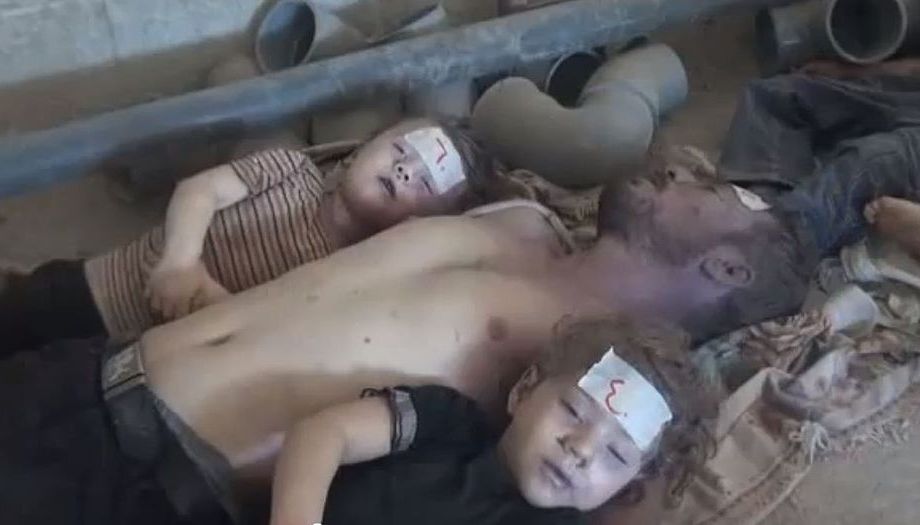
Some mothers’ children stare unseeing
No sweet, wet baby kisses from blistered lips,
. . . . songs unsung
No wedding portraits to dust and treasure
No graduations or trips to the sea
. . . . just their bodies to bury
crushed
beaten
stilled
by the engine of nihilism
Limbs cracked and broken, bellies torn
Faces purpled, hearts stopped
Hearts stopped … . . . . hearts stopped
Some mothers’ hearts have stopped
Some mothers’ children
“It was a slow and brutal death for so many,” Trump said as he announced the attack on a Syrian airbase, retaliating for the use of chemical weapons by the Assad regime. “Even beautiful babies were cruelly murdered in this very barbaric attack. No child of God should ever suffer such horror.”
“Mistah Kurtz-he [lives] ….. A penny for the Old Guy …
Leaning together
Headpiece filled with straw. Alas!”
The Hollow Men, T.S. Elliot
what must it be like for you in your part of the world?
there is only silence, i don’t know your name, i know only
that the fire of Life makes us one in this, the human journey,
trudging through mud, by land and by sea, reaching for the sun
like entering a ritual river without a blessing or a prayer
on the street where you lived, your friends are all gone
the houses are crushed and the doves have flown
there is only silence, no children playing, no laughter
here and there a light remains to speak to us of loneliness,
yet our eyes meet in secret, our hearts open on the fringe,
one breath and the wind blows, one tear and the seas rise,
your grief drips from my eyes and i tremble with your fear
“This is the way the world ends Not with a bang but a whimper.” The Hollow Men, T.S. Elliot
Seriously, she considered murder by food,
sausage, potatoes, and Boston Cream Pie Gleeful, she stuffed his arteries with salami,
used suet in pasties and plum puddings,
sought quietus from onions fried in bacon fat
Strategizing slow-death by Swiss fondue,
she dreamed of being single while sharing
broccoli trees with the toddler on her knee
When people can’t speak-up and speak-out, they can give “voice” to their frustrations in odd ways. What kinds of strange rebellions have you observed? Tell us about that experience in poem or prose. If you feel comfortable, share the link to your work in comments section below or, if the piece is short enough, share the piece itself. Responses will be featured here next Tuesday.
“In politics being deceived is no excuse.” Leszak Kolakowski
Recommended read: On Tyranny: Twenty Lessons from the Twentieth Century by Timothy Snyder. Left, right or center – American or not – it’s a must read for our chaotic times … and not just the list of lessons but Prof. Snyder’s commentary on each. This book is a rational enlightening little gem and a powerful wake-up call.
Lesson Three: Beware the One Party State. “The parties that remade states and suppressed rivals were not omnipotent rom the start. They exploited a historic moment to make political life impossible for their opponents. So support the multiparty system and defend the rules of democratic elections Vote in local and state elections while you can. Consider running for office.”
 We continue with the current recommended read: On Tyranny: Twenty Lessons from the Twentieth Century by Timothy Snyder. Left, right or center – American or not – it’s a must read.




 Jamie Dedes' THE POET BY DAY Webzine