
MIND CHATTERED
The mind in chatter mode will do you in
Like a car without a driver
It’s a good tool gone rogue
It will numb you with its burden of
old stories and wishing wells
could have beens, should have beens
crowd teasers and ego pleasers
It will desecrate your sacred space
with the rotting carcass of old resentments
tired rivalries, rigid renunciations
It will domesticate your dreamscape with
the dreck of times gone by and
tedious, trivial, trumpery thinking
With mind in chat mode trapped in earthy ken
your most wonderous inner worlds go sadly
unimagined and unexplored and you –
YOU! fully chattered, shattered, scattered
will never even know
WRITING PROMPT
 In From Strength to Love Martin Luther King, Jr, wrote:
“The means by which we live have outdistanced the ends for which we live. Our scientific power has outrun our spiritual power. We have guided missiles and misguided men.”
This is the great paradox of our times. Thanks to science and technology we have the means to modify or control the external landscape but our internal landscape languishes. Anxiety reigns in the Western world and one article I read recently said that one-in-four CEOs suffers from depression.
The scriptures of our various religions provided us with spiritual technologies that have been well-tested in the laboratories of time. The Vedic scriptures teach us to use devotion, education and culture to address the internal enemies: lust, greed and anger.
The Christian scriptures teach us that there are seven deadly sins: pride, greed, lust, envy, gluttony, wrath and sloth. The Catholic Church suggests we counter them with the four virtues derived from the wisdom of the ancient Greeks: prudence, justice, restraint, and fortitude. These are to be partnered with the three theological virtues of faith, hope, and charity.
The Buddhist’s have the best – in my opinion – technology for addressing anxiety and depression: meditation.
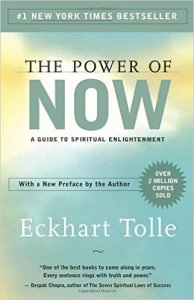 Echart Tolle in The Power of Now suggests that mind-chattering represents a false self and that accessing the “Now,” the present moment where everything is complete, is the antidote. When Tolle’s book came out – a good valuable book – the idea of living in the Now was seen by many as a new idea. It’s actually an old wisdom. It’s very Buddhist and, among others, the great German theologian, philosopher and mystic, the Dominican Priest Meister Eckhart (1260 – 1328), said much the same thing.
Prompt: Write a poem or story that illustrates the habits that cause our distress, anxiety and depression. If it feels natural to approach the subject from the point of remedy, do that. If you like, put a link to the piece in the comments section so that I and others might read it.
© 2017, poem and prompt, Jamie Dedes, All rights reserved; Illustration courtesy of Frits Ahlefeldt, Public Domain Pictures.net
THE WORDPLAY SHOP: books, tools and supplies for poets, writers and readers
LITERATURE AND FICTION oo Editor’s Picks oo Award Winners oo NY Times Best Sellers
Thank you for sharing your love of words. Comments will appear after moderation.
 I discovered Roger McGough’s work awhile back and in fact posted this before. I’m doing so again because – as I said the headline – we need some laughs. Life’s gotten entirely too serious.





 Jamie Dedes' THE POET BY DAY Webzine