Page 8 of 8

SILENCING OF THE LAMBS, a poem by British poet and Renaissance man, John Anstie


img_2357

Silencing The Lambs

Lo a thin veneer
divides the good from the bad
you know what you are

ruling precedent
with blind consensus will yield
a dumbing of the sheep

and who was it said
only the meek inherit
this is not the time

this is not the time
for humility and lambs
must stand up and grow

maybe there was life
once upon a distant time
when we were wise

when we were wise
before the window led to
pleonexia

yield to avarice
and the common cause ends in
weakened hearts and souls

weakened hearts and souls
lost in things and will be found
only as we die

only as we die
can we find truth and renew
a desire for life

a desire for life
but not material things
will need great courage

we’ll need great courage
whilst tyranny is seeking
obedient lambs

by silencing the lambs
sociopathy will win
and life will perish

… but will life perish?
Maybe, maybe not. Dare we
sit and wait and see?

– John Anstie

© 2017, poem and portrait, John Anstie, All rights reserved

John Anstie
John Anstie

JOHN ANSTIE (My Poetry Library and 42) ~ is a British singer, musician, poet and contributing writer to The BeZine. John self-describes as a “Family man, Grandfather, Occasional Musician, Singer, Amateur photographer and Film-maker, Apple-MAC user, Implementation Manager, and Engineer”.

John has participated in d’Verse Poet’s Pub and is a player in New World Creative Union as well as a being a ‘spoken-voice’ participant in Roger Allen Baut’s excellent ‘Blue Sky Highway’ radio broadcasts. He’s been blogging since the beginning of 2011. He is also a member of The Poetry Society (UK).

product_thumbnail-3-phpRecent publications are anthologies resulting from online collaborations among two international groups of amateur and professional poets. One of these is The Grass Roots Poetry Group (Petrichor Rising*). The other group is d’Verse Poet Pub, in which John’s poetry also appears in The d’Verse Anthology:Voices of Contemporary World Poetry, produced and edited by Frank Watson.

*The proceeds from Petrichor Rising go to UNICEF. The back story on this book and its poets is featured in Pretricor Rising and how the Twitterverse Birthed friendships that in Turn Birthed a Poetry Collection.

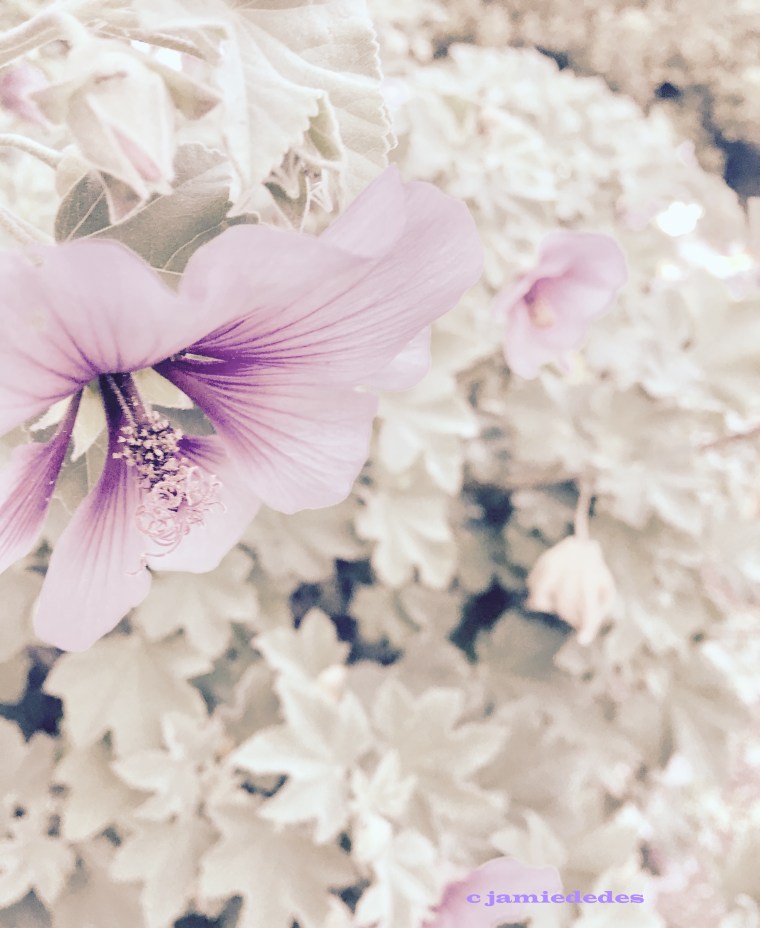
THE MILLION LINE POEM, a collective poetry process

img_2344

Tupelo Press is hosting a “collective poetry process” called the Million Line Poem (MLP), which looks like a lot of fun and is pleasure to read. I think the MLP is up to day #903 as I write this.

The editors say the Million Line Poem is: “A celebration of the collective poetic process, the MLP is being written, couplet by couplet, by readers and writers around the world, and published online by Tupelo Press. Each day we post two lines from which contributing poets draw their inspiration. Participate in the creation of this unique art form as it grows organically. Your contribution is part of its dynamic synergy.”

The guidelines for the MLP are HERE.

While you are there reading some of the MLP be sure to also explore the site. Tupelo Press publishes books, sponsors competitions and conducts writing workshops. Opportunity knocks.

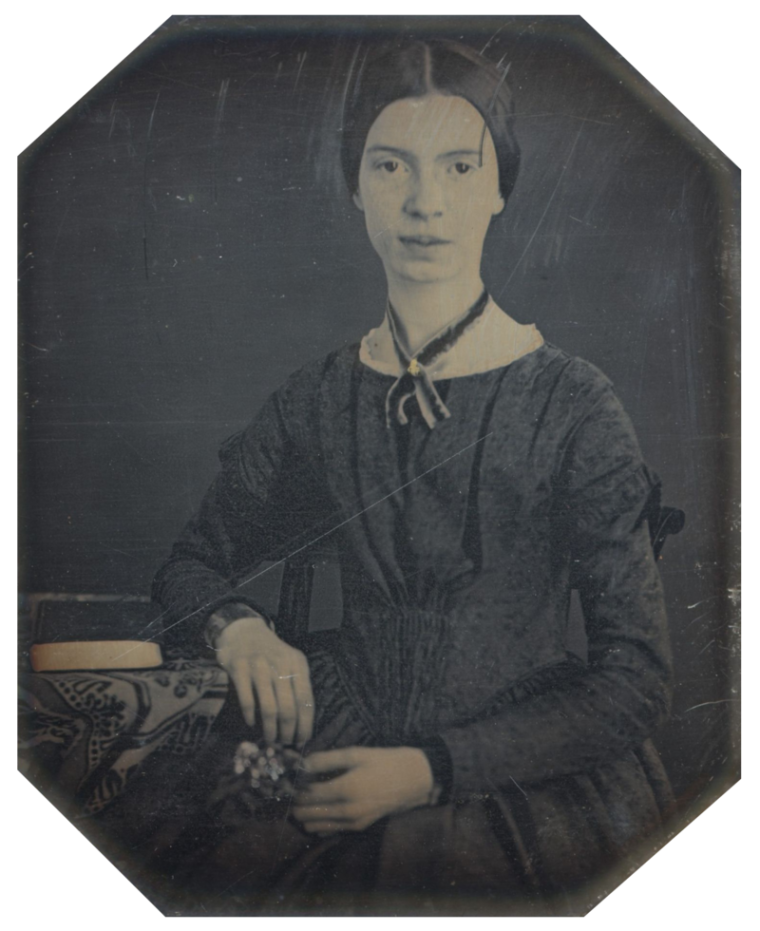
CELEBRATING AMERICAN SHE-POETS (28): Emily Dickinson … to find that phosphorescence, that light within

Emily Dickinson at sixteen years o age
Emily Dickinson at sixteen years, 1846

“PHOSPHORESCENCE. Now there’s a word to lift your hat to… to find that phosphorescence, that light within, that’s the genius behind poetry.” Emily Dickinson

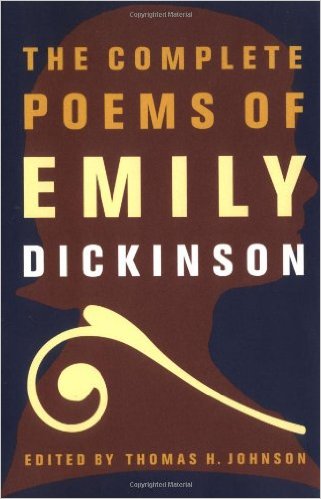
41rt1zipr5l-_sx319_bo1204203200_Emily Dickinson was famously reclusive and wrote 1,775 poems, few of which were published during her lifetime. When her opus was finally published posthumously, it wasn’t well received. Today, however, she is considered one of the most significant of American poets. The Complete Poems of Emily Dickinson is my favorite collection. The poems are organized chronologically, allowing us to see her development from teen years into the darker poetry of her maturity.

“Nature” is what we see—
The Hill—the Afternoon—
Squirrel—Eclipse— the Bumble bee—
Nay—Nature is Heaven—
Nature is what we hear—
The Bobolink—the Sea—
Thunder—the Cricket—
Nay—Nature is Harmony—
Nature is what we know—
Yet have no art to say—
So impotent Our Wisdom is
To her Simplicity.

– Emily Dickinson

Apart from reading Emily Dickinson’s poetry, I can’t think of a better way to celebrate her and her work then to see William Luce’s one-woman play, The Belle of Amherst, starring Julie Harris.  It’s available to watch on YouTube and it’s a must if you are a lover of poetry and theatre and looking for some budget-wise charm this coming weekend. Order dinner in, set out the candles and wine … and Enjoy!

The play follows Emily Dickinson at the family home in Amherst, Massachusetts. It incorporates Dickinson’s work, diaries, and letters in a reenactment of her life with her relatives, friends and acquaintances. It’s engaging and often wry … as is the poet herself.

The original Broadway production, directed by Charles Nelson Reilly and starring Julie Harris, opened on April 28, 1976 at the Longacre Theatre. It ran for 116 performances. A Wall Street Journal reviewer wrote . . .

“With her technical ability and her emotional range, Miss Harris can convey profound inner turmoil at the same time that she displays irrepressible gaiety of spirit.”

Harris won a Tony Award for Best Actress in a Play, earned a Drama Desk Award nomination for a Unique Theatrical Experience, and won a Grammy Award for Best Spoken Word Recording. She appeared in a televised PBS production and toured the country with the play for a number of years. [sources: Wikipedia and NY Times]

Luce and Harris collaborated on other wonderful plays including Bronté.  A broadway playwright, Luce also wrote Barrymore, which with family I was fortunate enough to see on stage starring Christopher Plummer many years ago. That was a bit of heaven.  Luce wrote Lucifer’s Child based on the writing of Karen Blixen (Isak Dinesen), Lillian about Lillian Hellman and Zelda, which became The Last Flapperabout Zelda Fitzgerald. If script writing is one of your interests, you could probably do worse than reading a few of  Luce’s plays.

51hlj5jhdkl-_sx329_bo1204203200_


The recommended read for this week is Robert Pinsky’s Singing School, Learning to Write (and Read) Poetry. No rules or recipes here just learning by studying the pros. Charming. Fun.

In making your Amazon purchase through links from this site, you help to support its maintenance.

The WordPlay Shop offers books and other tools especially selected for poets and writers.

THE WORDPLAY SHOP: books, tools and supplies for poets, writers and readers

LITERATURE AND FICTION oo Editor’s Picks oo Award Winners oo NY Times Best Sellers

One Lifetime After the Other, a poem . . . and your Wednesday Writing Prompt

Angel and Dove, original watercolor c 2010 Gretchen Del Rio

one day, you’ll see, i’ll come back to hobnob
with ravens, to fly with the crows at the moment
of apple blossoms and the scent of magnolia ~
look for me winging among the white geese
in their practical formation, migrating to be here,
to keep house for you by the river …

i’ll be home in time for the bees in their slow heavy
search for nectar, when the grass unfurls, nib tipped ~
you’ll sense me as soft and fresh as a rose,
as gentle as a breeze of butterfly wings . . .

i’ll return to honor daisies in the depths of innocence,
i’ll be the raindrops rising dew-like on your brow ~
you’ll see me sliding happy down a comely Jacaranda,
as feral as the wind circling the crape myrtle, you’ll
find me waiting, a small gray dove in the dovecot,
loving you, one lifetime after another.

© 2013, poem , Jamie Dedes, All rights reserved,  Illustration by Gretchen Del Rio © 2010, All rights reserved, used here with Gretchen’s permission

WRITING PROMPT

Some people believe in reincarnation. They say we continue as humans when we arrive back on earth after our stay in what the Buddhists call the Bardo. Others say we might come back in nonhuman form. Whether or not you believe in reincarnation, imagine how you would like to come back? What form would you take? Where would your loved ones find you? Tell us about it in a poem. I imagined being a dove, a symbol of spirit in many traditions. I have a friend who imagined coming back as an extraterrestrial with a special peace mission. If you feel comfortable, share your poem or a link to your poem in the comment section so that I and others may read it.

Here are links to some poems in response to last week’s prompt.

Visit, read and comment.  Encourage our colleagues.


51hlj5jhdkl-_sx329_bo1204203200_The recommended read for this week is Robert Pinsky’s Singing School, Learning to Write (and Read) Poetry. No rules or recipes here just learning by studying the pros. Charming. Fun.

In making your Amazon purchase through links from this site, you help to support its maintenance.

The WordPlay Shop offers books and other tools especially selected for poets and writers.

THE WORDPLAY SHOP: books, tools and supplies for poets, writers and readers

LITERATURE AND FICTION oo Editor’s Picks oo Award Winners oo NY Times Best Sellers